Home Cinema Rooms
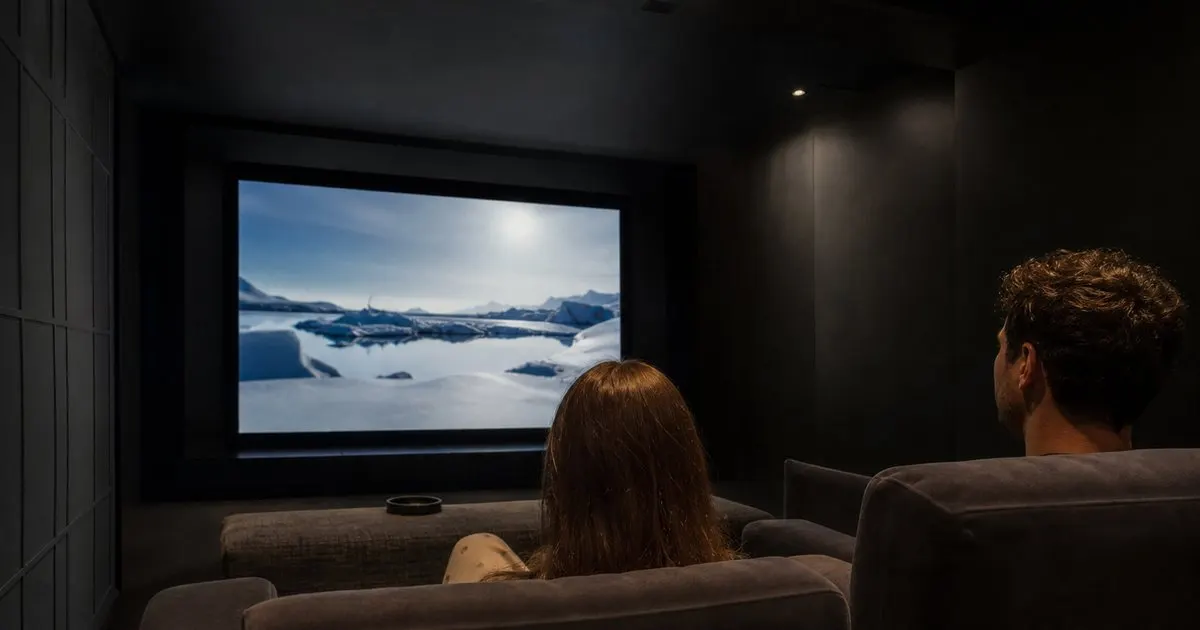
How dark does a dedicated home cinema room need to be?
Contrast lives and dies on light control. Here is how dark a room truly needs to be, and why.
Practical, honest advice from the team behind Theatrvault, written to help you do this well.
Contrast lives and dies on light control. Here is how dark a room truly needs to be, and why.
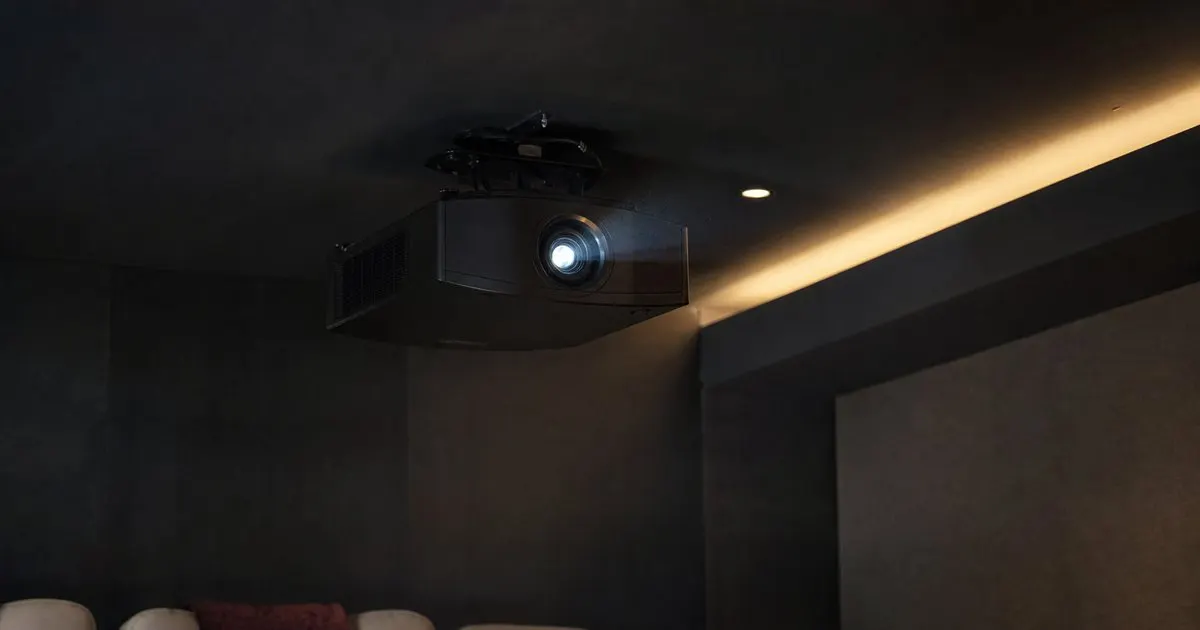
Different projection technologies trade contrast, brightness, and color. Here is how to choose for a dark room.
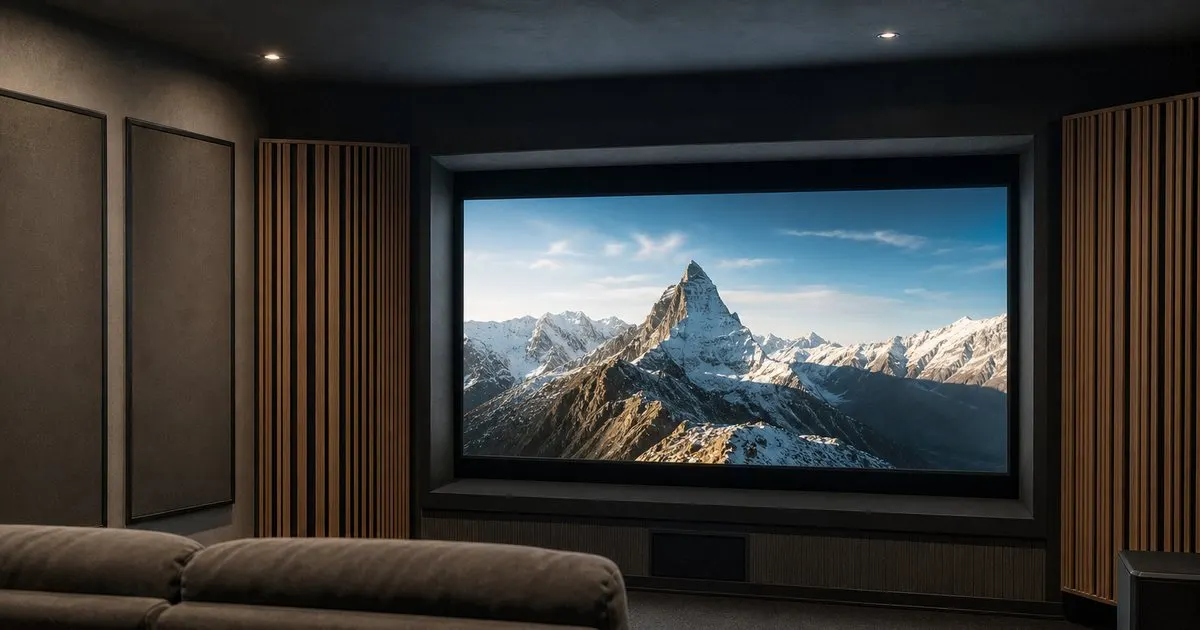
Treatment often does more than new speakers. Here is what absorption and diffusion really change.
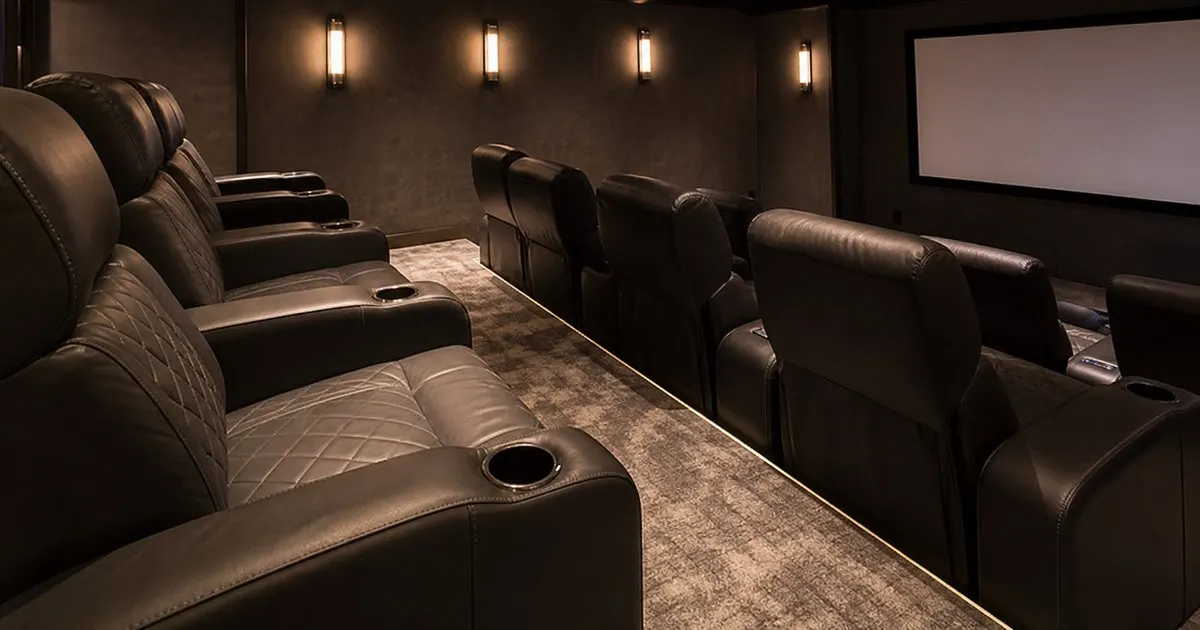
Seat count is set by sightlines and distance, not just floor area. Here is how to plan rows that all work.
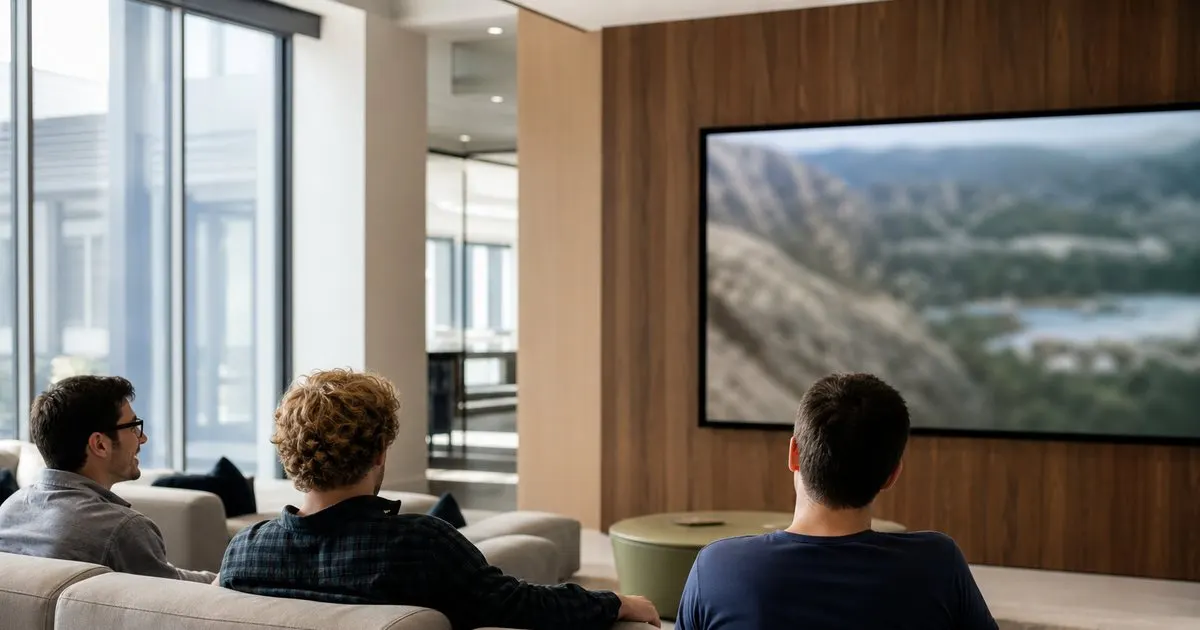
Each path trades performance against flexibility. Here is how to decide which suits your home.
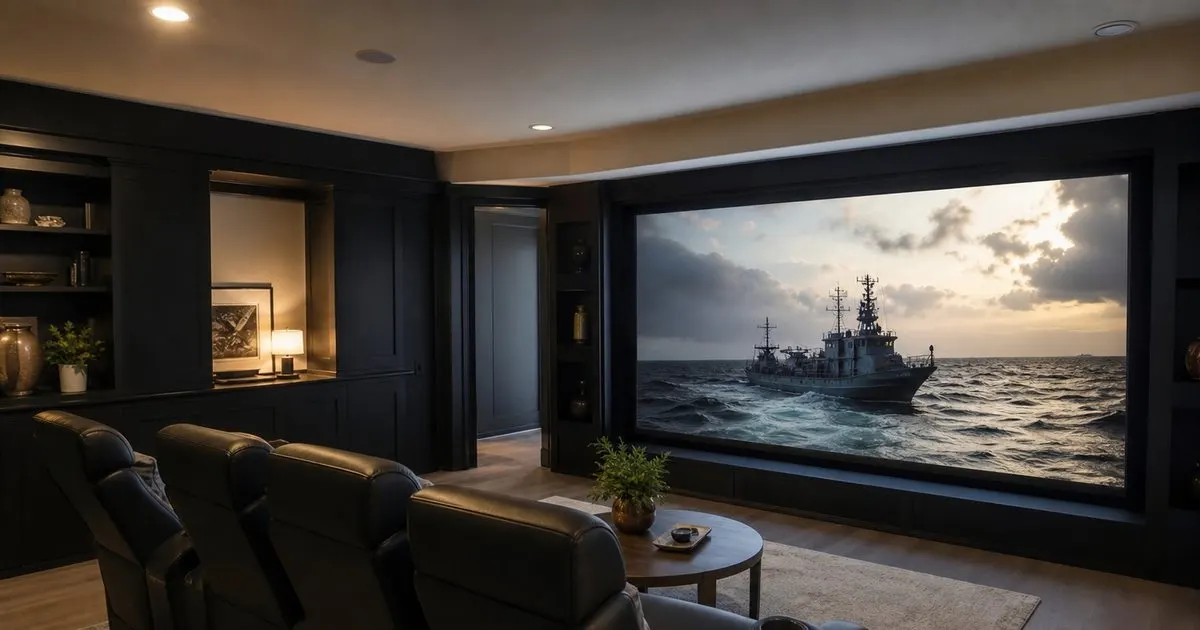
A bigger screen is not automatically better. Here is why distance, not money, should size your picture.
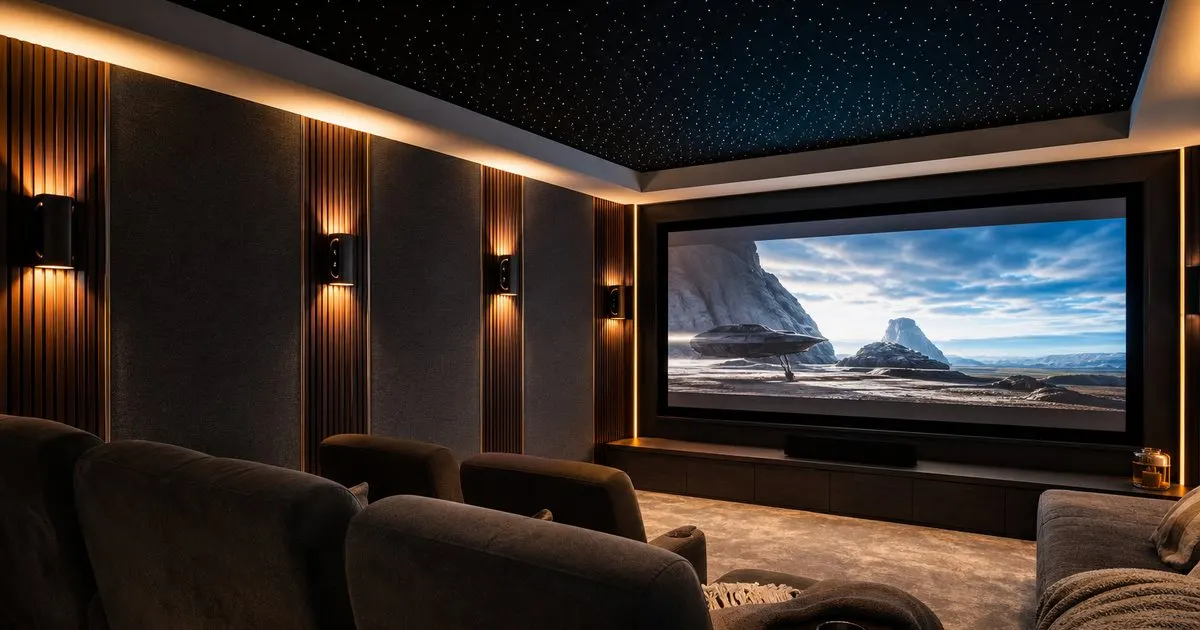
The spread is wide because rooms differ as much as gear. Here is where the money goes at each tier.
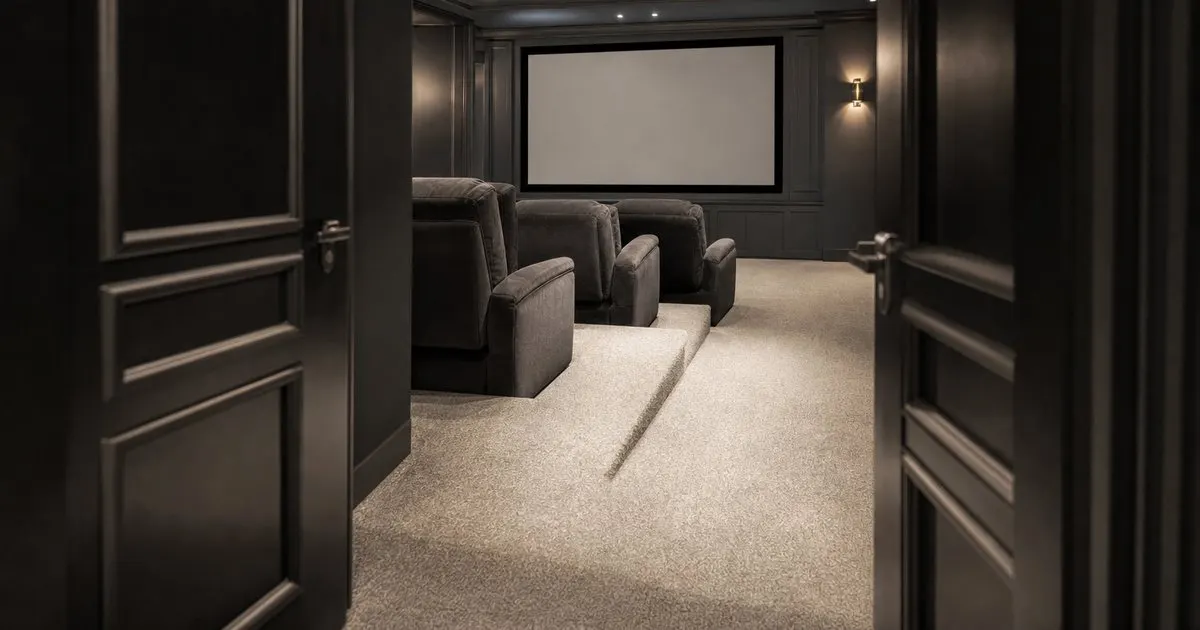
A cinema can appeal to buyers, but the effect is nuanced. Here is an honest, non advisory view.
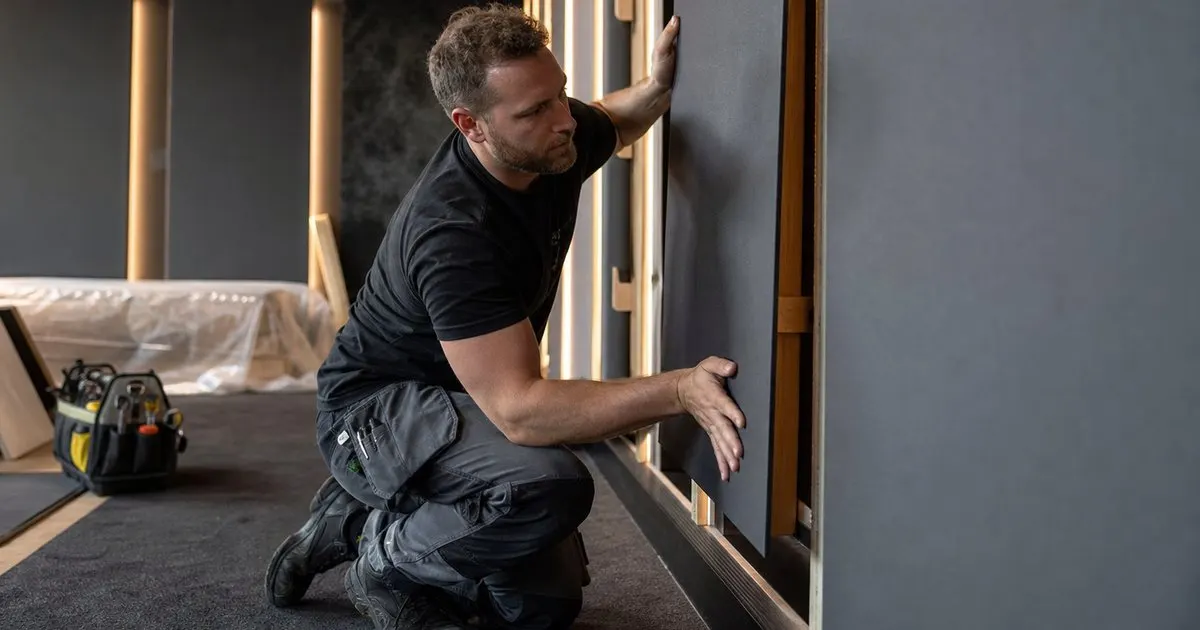
Some rooms benefit from expert acoustics early. Here is when professional input earns its cost.
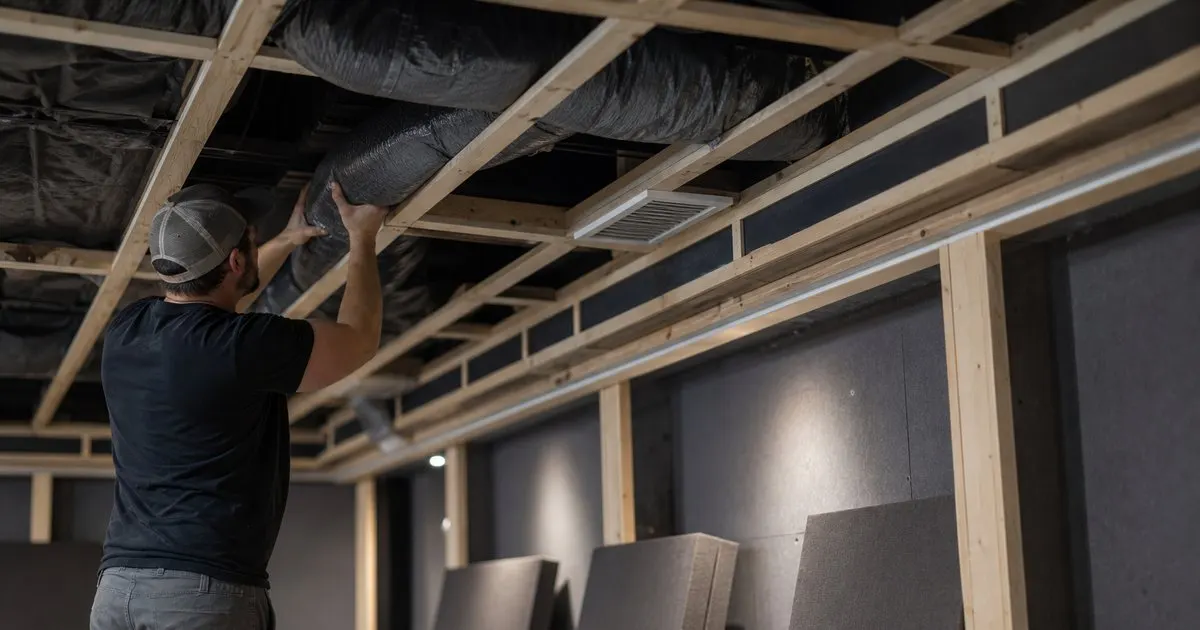
A properly isolated cinema is an airtight box, and airtight boxes get hot and stuffy fast. Here is how designers move air through the room while keeping the mechanical system inaudible from the seats.
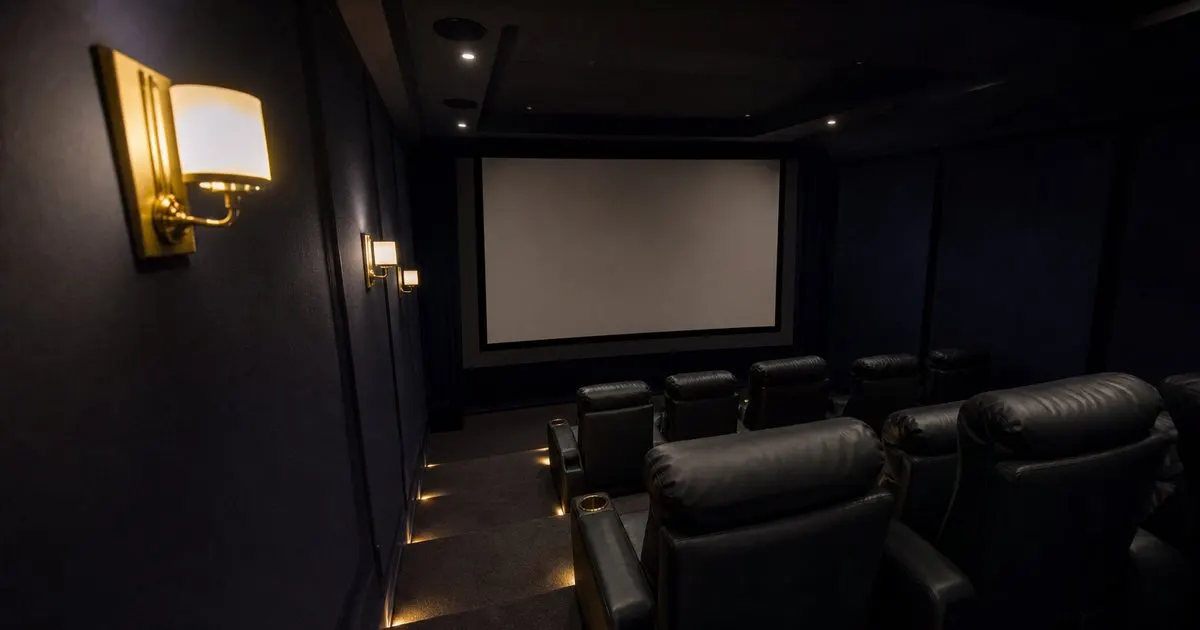
Lighting in a cinema does more than help people find their seats. Done well, it sets the mood, protects the projected image, and disappears the moment the film starts.
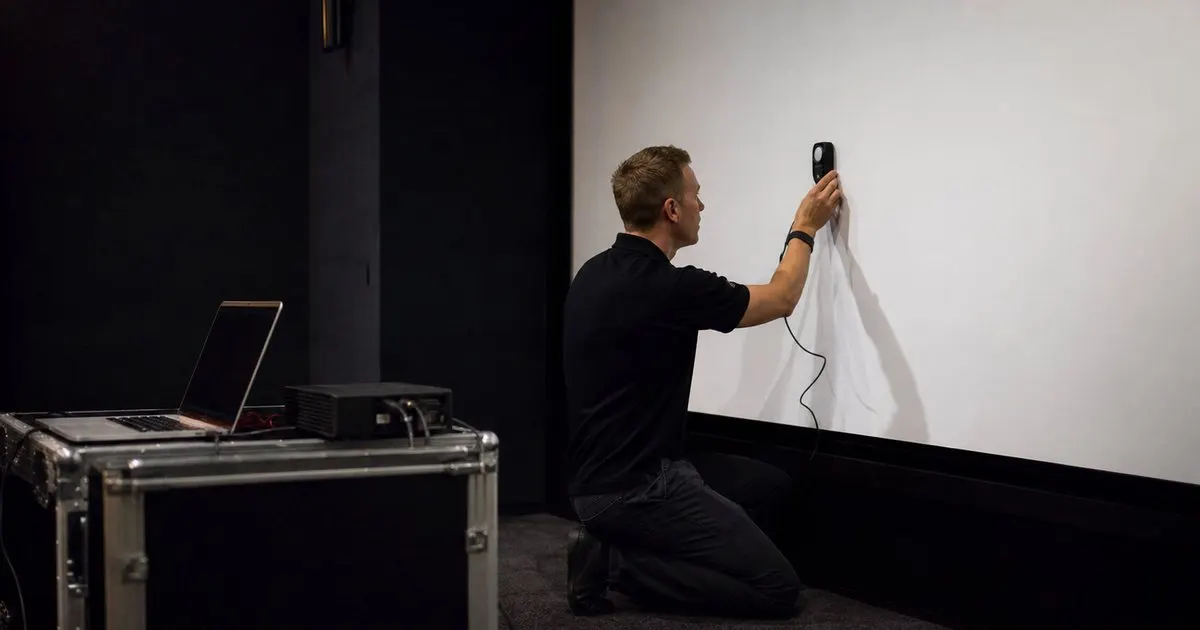
A premium projector arrives with picture modes tuned for a showroom, not for your screen, your room, or your eyes. Calibration closes that gap, and the difference is visible from the first frame.
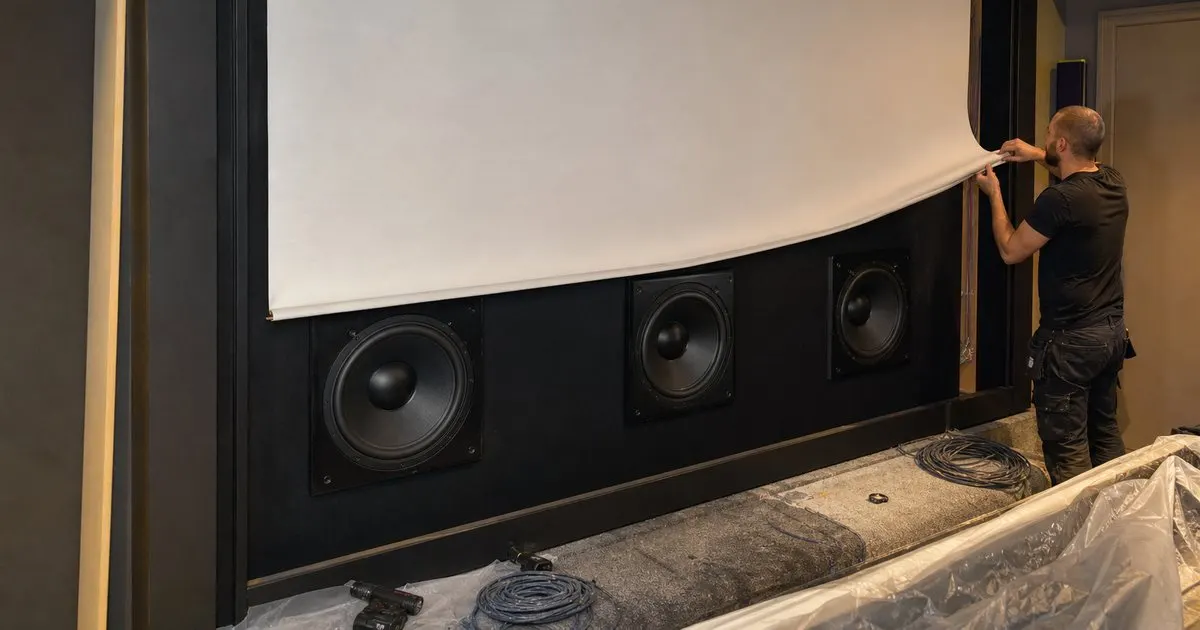
Putting the front speakers behind the screen is how commercial cinemas anchor dialogue to the picture. Here is when that approach pays off at home, and when a solid screen is the smarter choice.
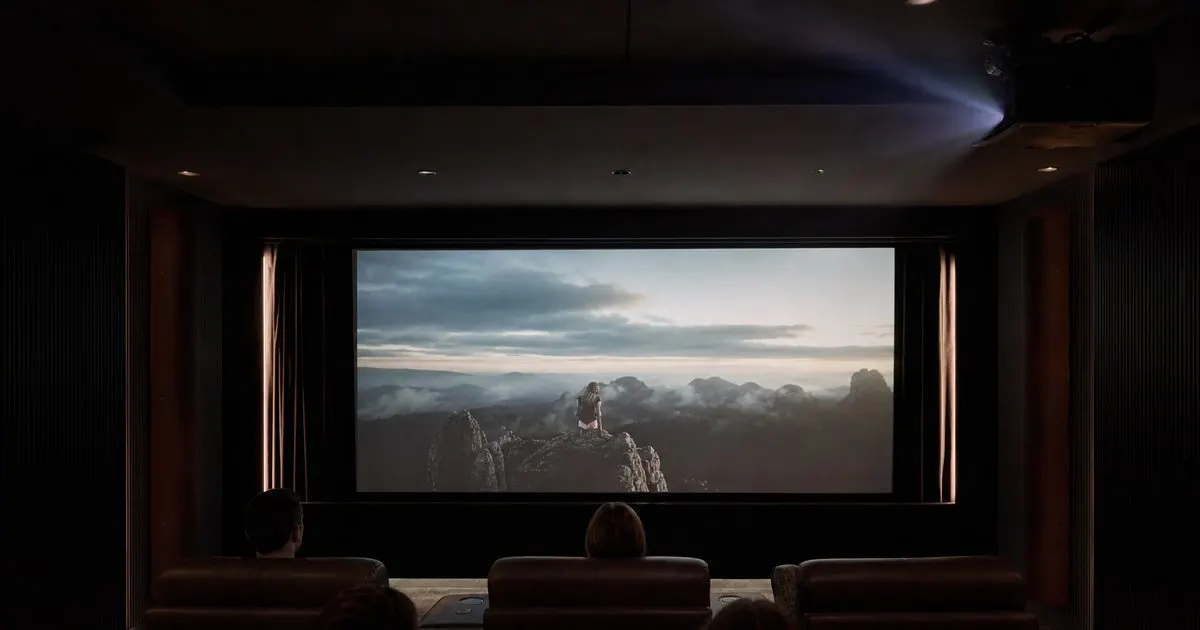
Films, series, and sports arrive in different shapes, and the screen you build determines which of them fills the frame. Here is how to decide between a 16:9 screen and a wide scope screen, and what each demands of the projector.
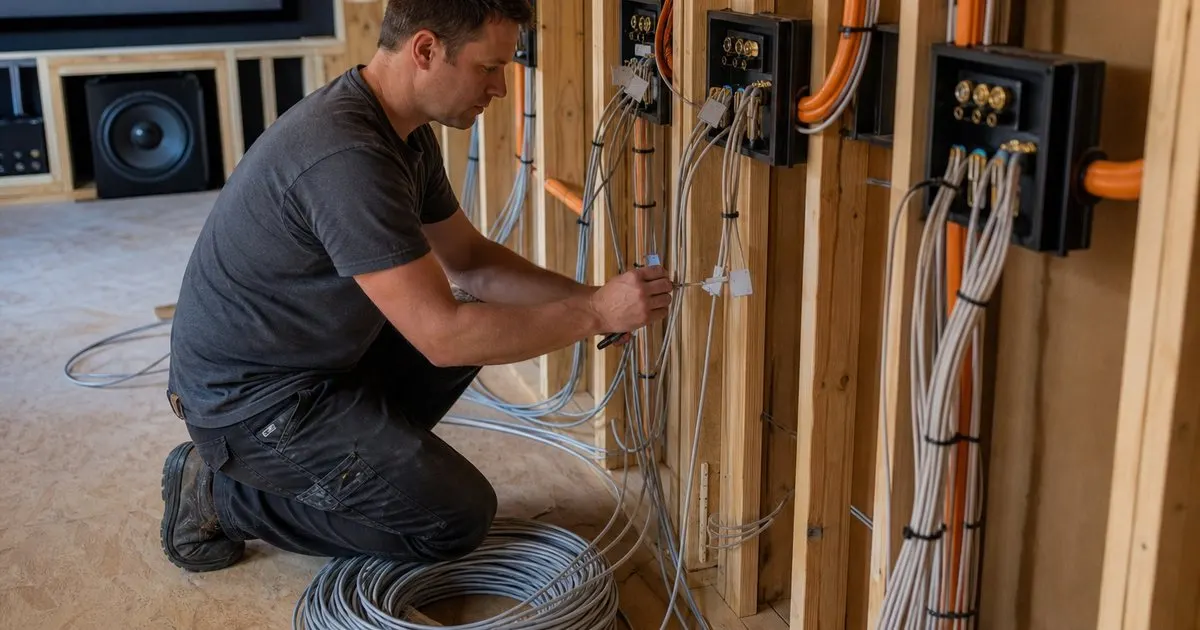
Once the drywall goes on, every missing cable becomes an expensive problem. Here is the prewire plan an experienced integrator would put in place for a dedicated cinema.
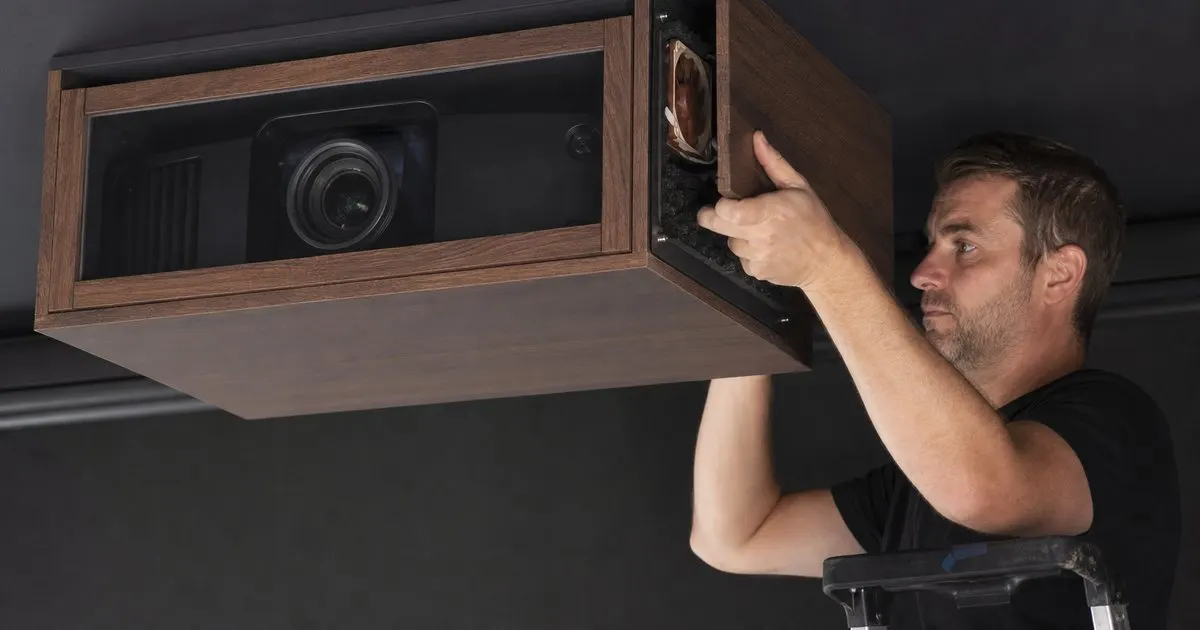
Even a superb projector can spoil a quiet scene if its cooling fan whirs above the heads of the audience. These are the fixes, from a settings change to a purpose-built enclosure.
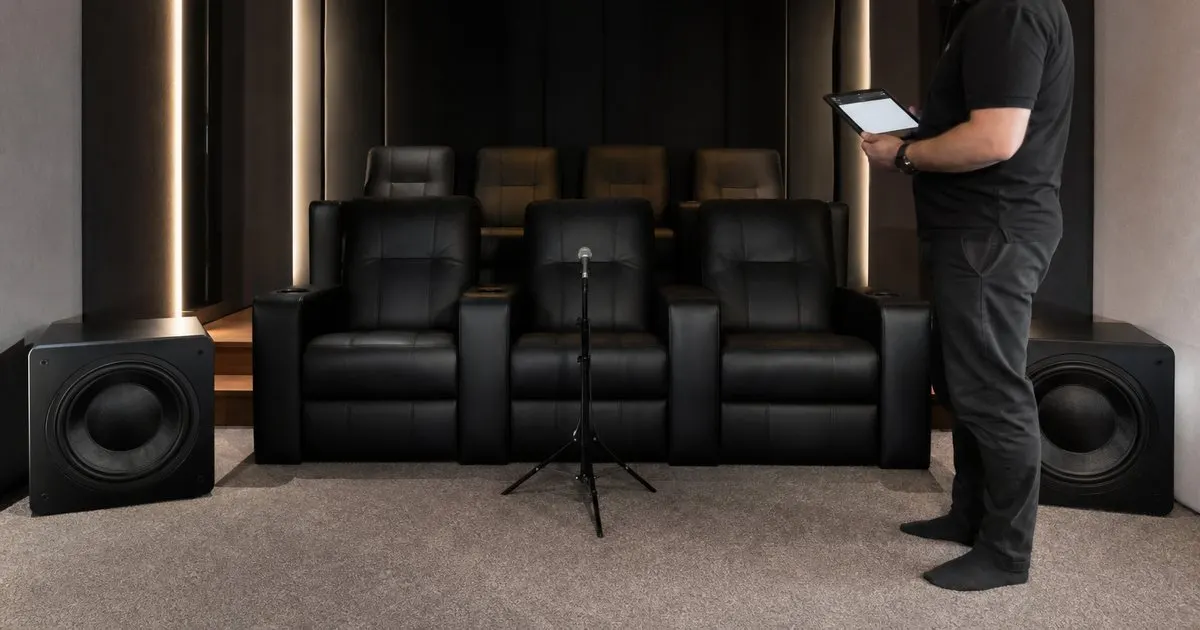
Bass in a small room is governed by the room, not the subwoofer. Here is why one subwoofer almost never delivers even low frequencies across a row of seats, and how two or four change the result.
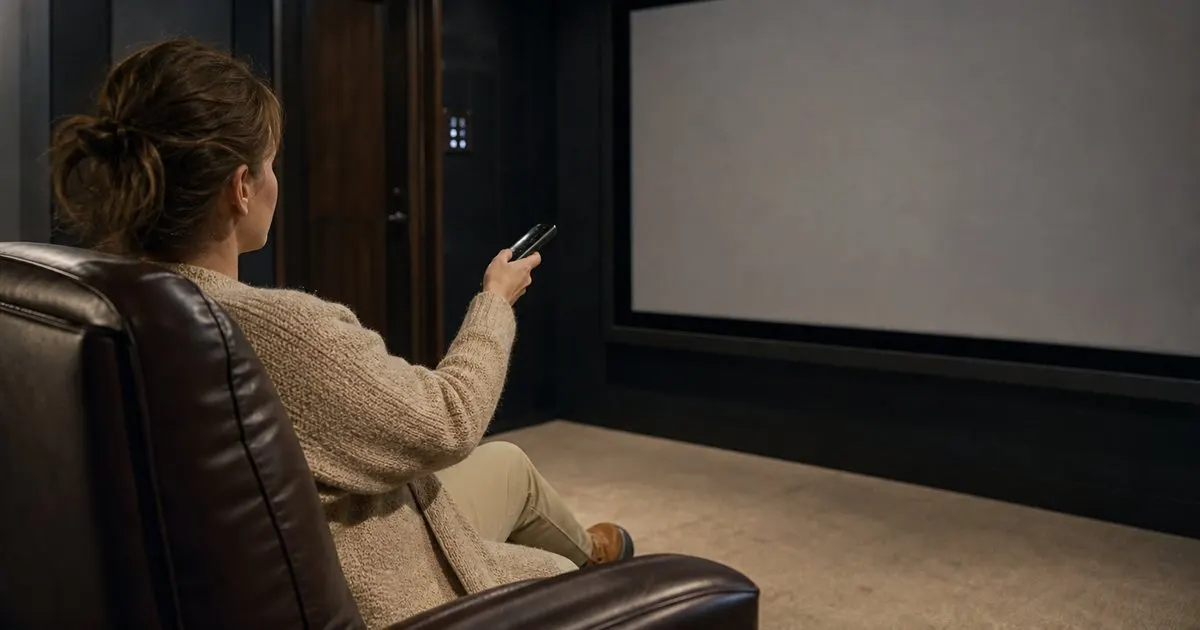
A dedicated cinema involves a projector, a processor, lighting scenes, masking, and several sources. The mark of a well-integrated room is that none of that complexity reaches the person holding the remote.
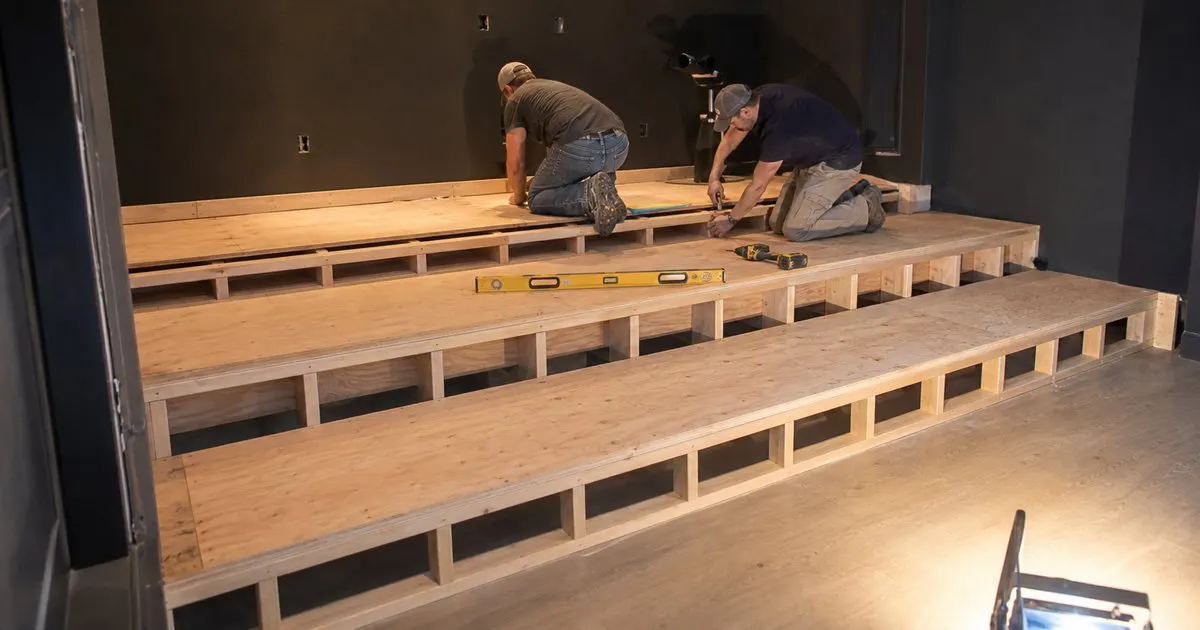
A riser is geometry, not a style choice. Here is how to derive the right height from seated eye level, row spacing, and screen position, then build the platform so it does not resonate under the seats.
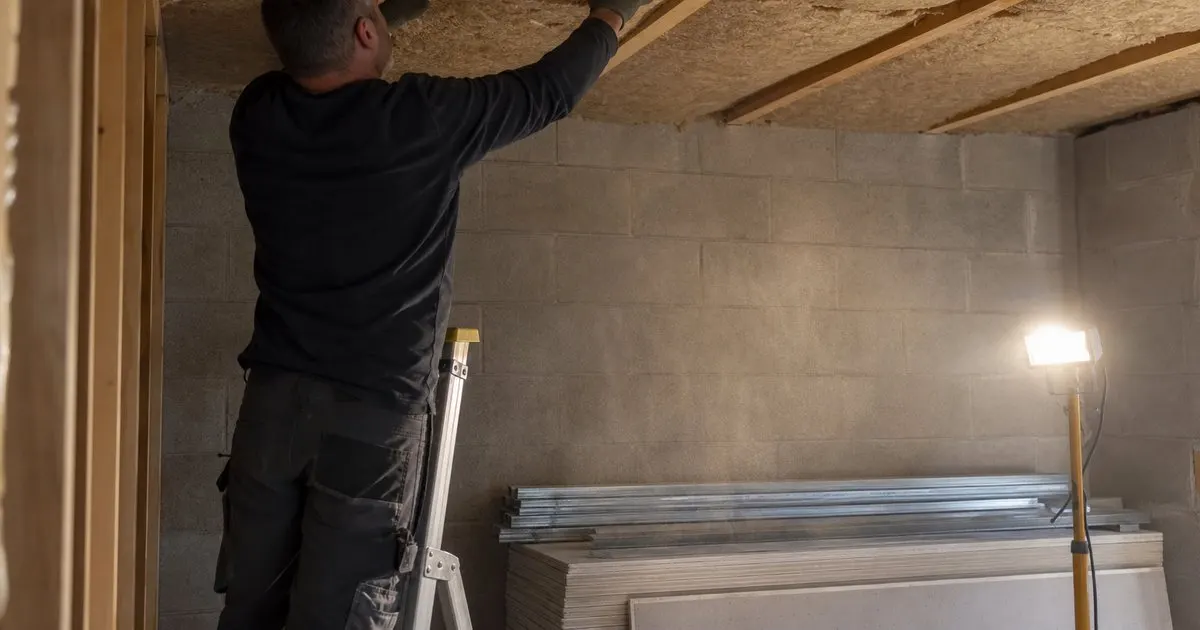
Bass that reaches the rest of the house is a structural problem, not an acoustic treatment problem. Here is how to find the transmission path, which retrofits actually work, and what to do when rebuilding is not an option.