Which projector technology delivers the best image in a light controlled room?
Different projection technologies trade contrast, brightness, and color. Here is how to choose for a dark room.
In a fully light controlled room, technologies prized for native contrast and deep blacks tend to deliver the most cinematic image, since darkness lets their strengths show. Rooms that cannot be fully sealed, or that use very large screens, may reward brighter technologies instead. Define your room first, then choose the projector whose strengths it rewards.
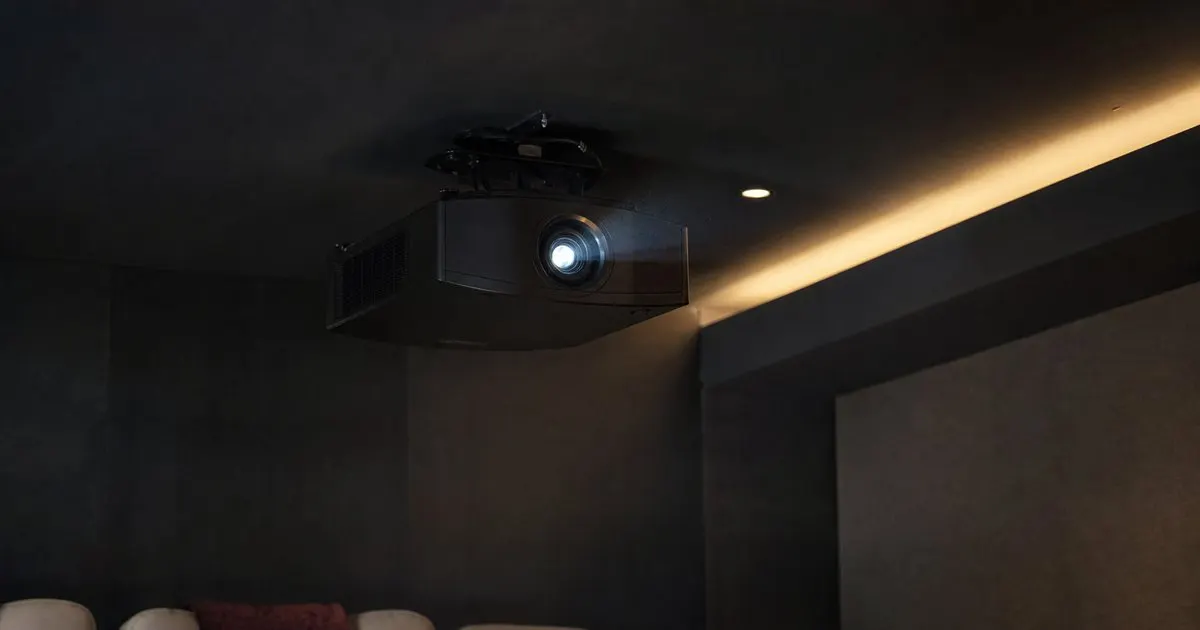
The traits that matter
In a controlled dark room, contrast and black level do more for the sense of cinema than raw brightness. A projector that renders deep blacks makes every image feel richer. Related: How dark does a dedicated home cinema room need to be?
Color accuracy and a stable, quiet operation round out the picture. The best technology for you is the one that excels at the traits your room lets shine. Related: How do you ventilate a sealed home cinema room without adding audible noise?
Keep reading: How dark does a dedicated home cinema room need to be?, What acoustic treatments actually transform a home theater listening experience?, How many seats can a luxury home cinema comfortably accommodate?. See how Theatrvault helps you an expert guide to designing a true home cinema.
Contrast leaning choices
Some projection technologies are prized for their native contrast and inky blacks, which suit a fully darkened dedicated room beautifully. In that setting, they can look extraordinary. Related: Should you build a dedicated cinema or a multipurpose media room?
These strengths depend on darkness. In a room with stray light, their advantage narrows, which is why room control and projector choice go together.
Brightness leaning choices
Other technologies prioritize brightness and are more forgiving of some ambient light, which suits a larger screen or a room that cannot be fully sealed.
If your room admits some light or the screen is very large, this resilience may matter more than the last degree of black level. Match the trait to the room. Related: Why does screen size depend on viewing distance more than budget?
Choosing against your room
The honest way to choose is to define your room first, its darkness, its size, and its screen, then select the projector whose strengths that room rewards.
There is no single best technology in the abstract. The best image comes from pairing the right projector with a room that lets its strengths show.
- In a dark room, contrast and black level lead over brightness
- Some technologies excel at inky blacks in sealed rooms
- Others prioritize brightness for larger or less dark rooms
- Define the room first, then choose the projector to match

Julien Jimenez
Julien Jimenez is an independent software builder based in Paris. He designs, ships, and operates focused SaaS products for small businesses and independent professionals. Read the full author page.
Frequently asked questions
Is brightness or contrast more important?
In a dark, controlled room, contrast and black level usually matter more for the cinematic feel. Brightness leads when the room admits some light or the screen is very large.
Is there one best projector technology?
No. The best image comes from matching the projector's strengths to your specific room. A contrast focused unit shines in a sealed room, a brighter one in a less controllable space.
A Cinema Kept Behind Your Own Door
An expert guide to designing a true home cinema. Theatrvault is built to help you put this into practice.
Design your cinemaMore from the Theatrvault blog
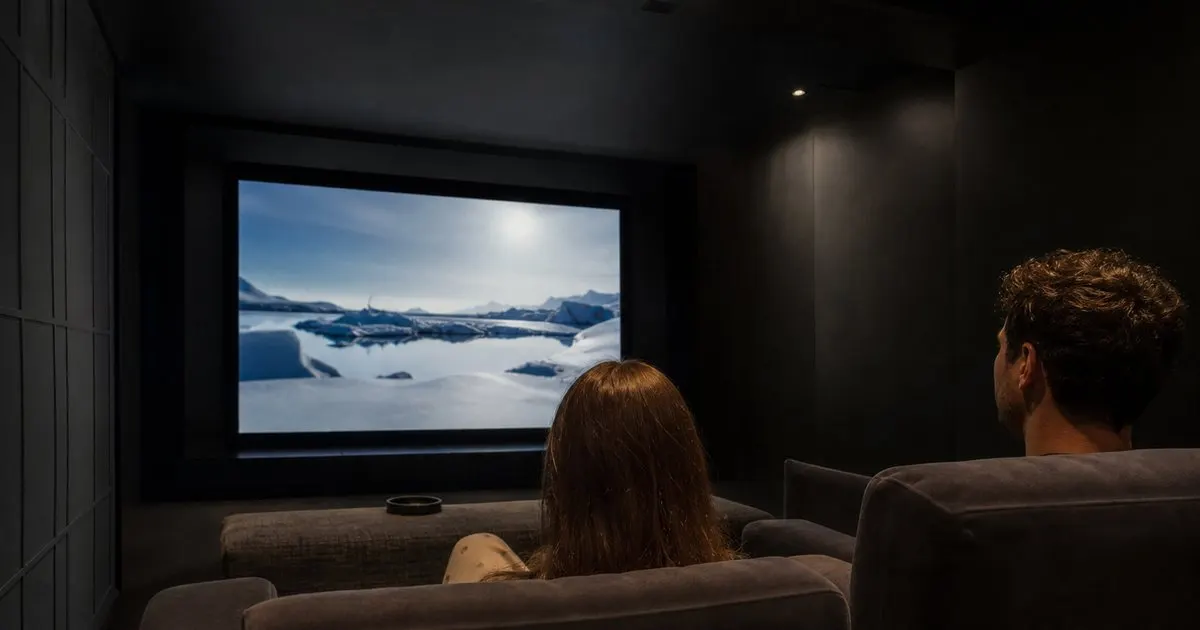
How dark does a dedicated home cinema room need to be?
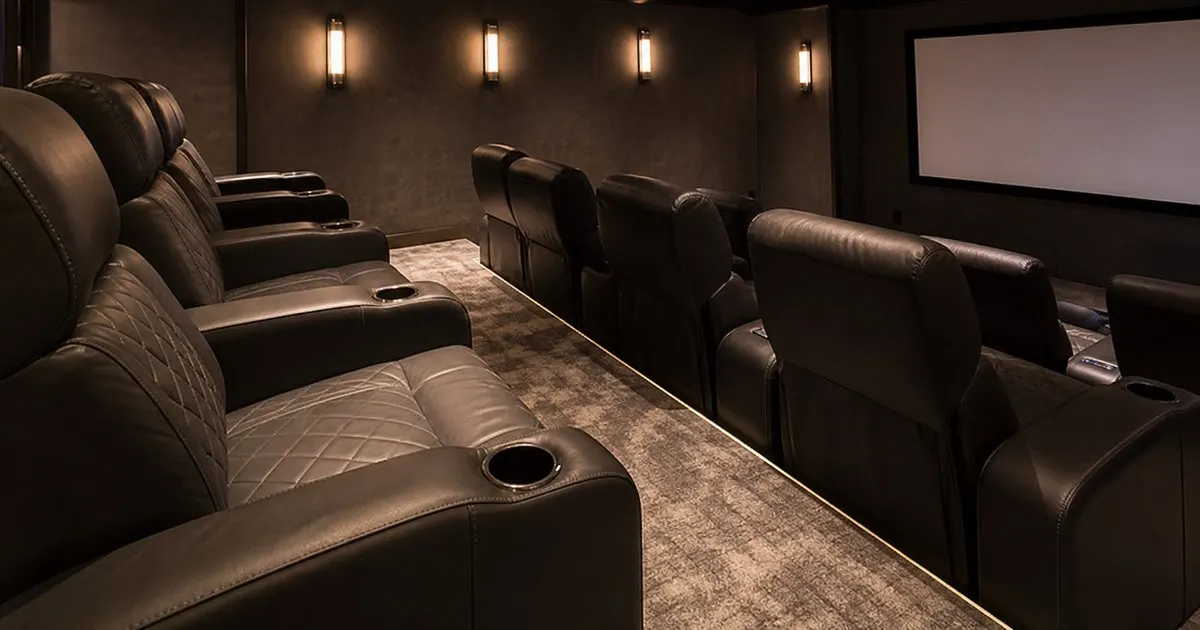
How many seats can a luxury home cinema comfortably accommodate?
Get the complete home cinema rooms guide
Our full buying guide, the price guide, and new research as we publish it. One email, no spam, unsubscribe any time.