Why does screen size depend on viewing distance more than budget?
A bigger screen is not automatically better. Here is why distance, not money, should size your picture.
Because the goal is the right field of view from your actual seats, not the biggest picture money can buy. An oversized screen at close range strains the eyes and breaks immersion. Since seating distance is usually fixed by the room, you size the screen to that distance, then spend the budget on quality within the correct size.
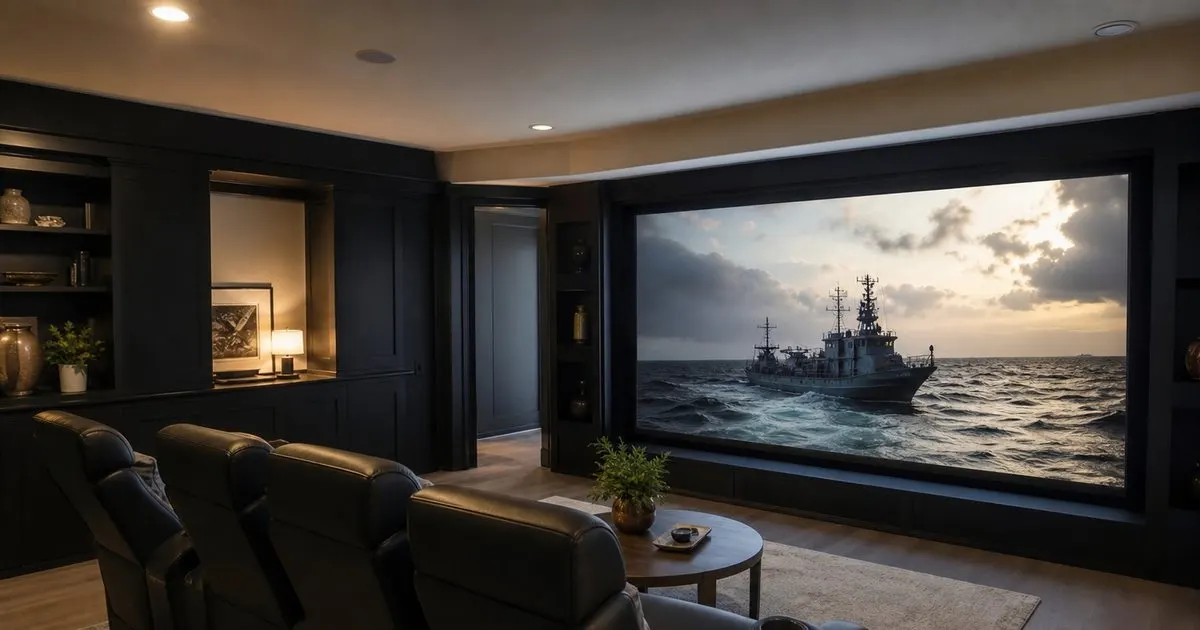
The temptation of bigger
It is natural to assume the largest affordable screen is the best one. In a cinema, though, an oversized screen at close range strains the eyes and breaks the immersion. Related: When should a home cinema use an acoustically transparent screen in front of the speakers?
Size is a means to an end, and that end is the right field of view from your seats. Budget buys size, but distance decides whether that size is right.
Keep reading: How dark does a dedicated home cinema room need to be?, Which projector technology delivers the best image in a light controlled room?, What acoustic treatments actually transform a home theater listening experience?. See how Theatrvault helps you an expert guide to designing a true home cinema.
Field of view is the goal
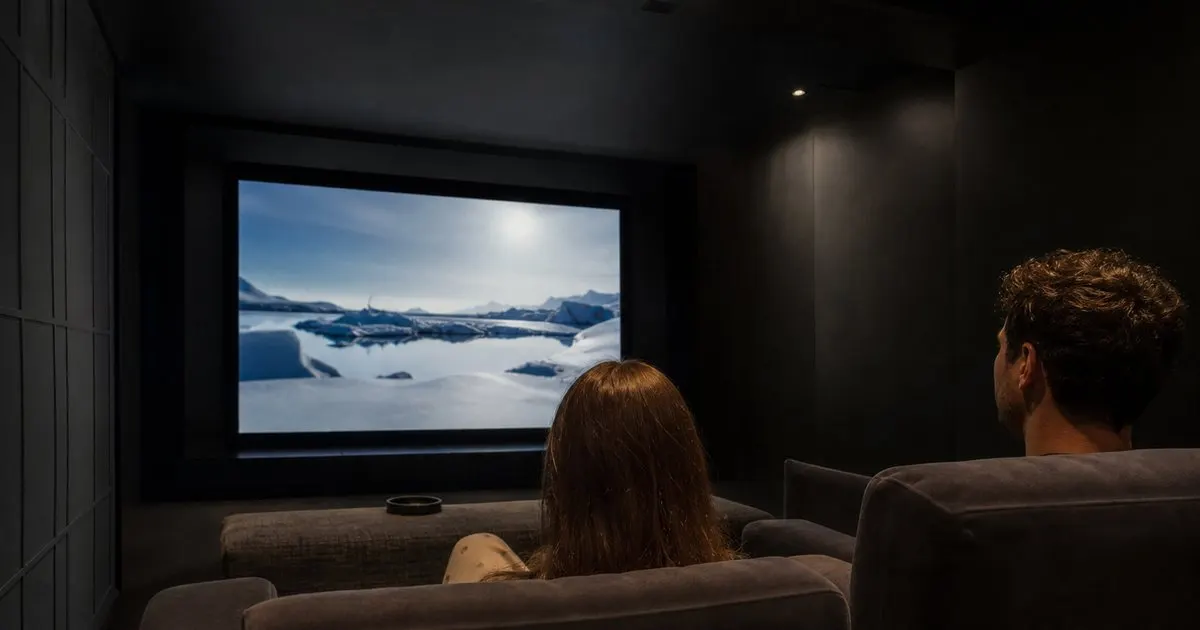
The aim is a picture that fills a comfortable portion of your vision, immersive without forcing you to move your head to follow the action. That is set by size and distance together. Related: What is the best way to light a home cinema without washing out the picture?
Get the field of view right and a modest screen at the correct distance beats a giant one that overwhelms. The ratio matters more than the raw dimension. Related: Which screen aspect ratio should a dedicated home cinema be designed around?
Distance is often fixed
In most rooms the seating distance is constrained by the space, which means the screen should be sized to it, not the other way around. The room sets the terms. Related: How high should a second row riser be so every seat sees the whole screen?
Choosing a screen first and hoping the room will suit it is backwards. Measure the distance, then size the screen to give the right field of view.
Getting the balance right
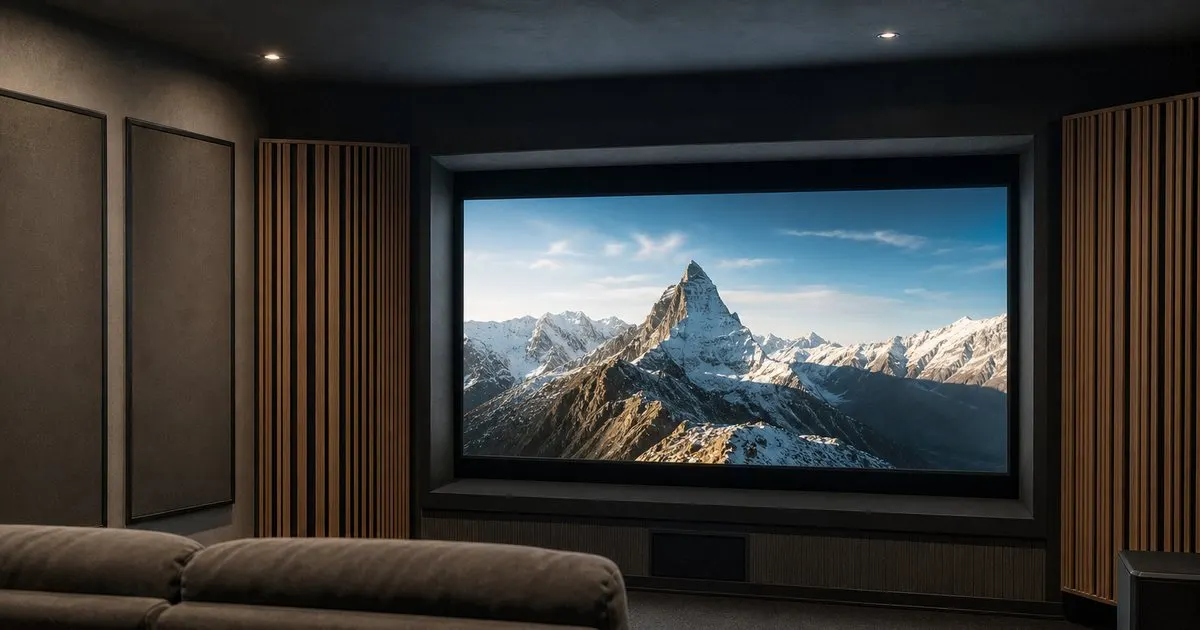
The comfortable answer is a screen large enough to immerse from your actual seats but not so large that it tires or reveals its limits. Distance is the deciding number.
Spend on quality within the correct size rather than chasing the biggest screen. A right sized, high quality picture always beats an oversized, straining one.
- An oversized screen at close range strains the eyes
- The goal is the right field of view, set by size and distance together
- Seating distance is usually fixed by the room
- Size the screen to the distance, then spend on quality

Julien Jimenez
Julien Jimenez is an independent software builder based in Paris. He designs, ships, and operates focused SaaS products for small businesses and independent professionals. Read the full author page.
Frequently asked questions
Is a bigger screen always better?
No. Beyond the right field of view for your seating distance, a larger screen strains the eyes and can reveal image limits. The correct size, well made, beats an oversized one.
How do I find the right size?
Start from your fixed seating distance and choose a screen that fills a comfortable portion of your field of view. The room's geometry, not the budget, should set the size.
A Cinema Kept Behind Your Own Door
An expert guide to designing a true home cinema. Theatrvault is built to help you put this into practice.
Design your cinemaMore from the Theatrvault blog
Get the complete home cinema rooms guide
Our full buying guide, the price guide, and new research as we publish it. One email, no spam, unsubscribe any time.