Light control
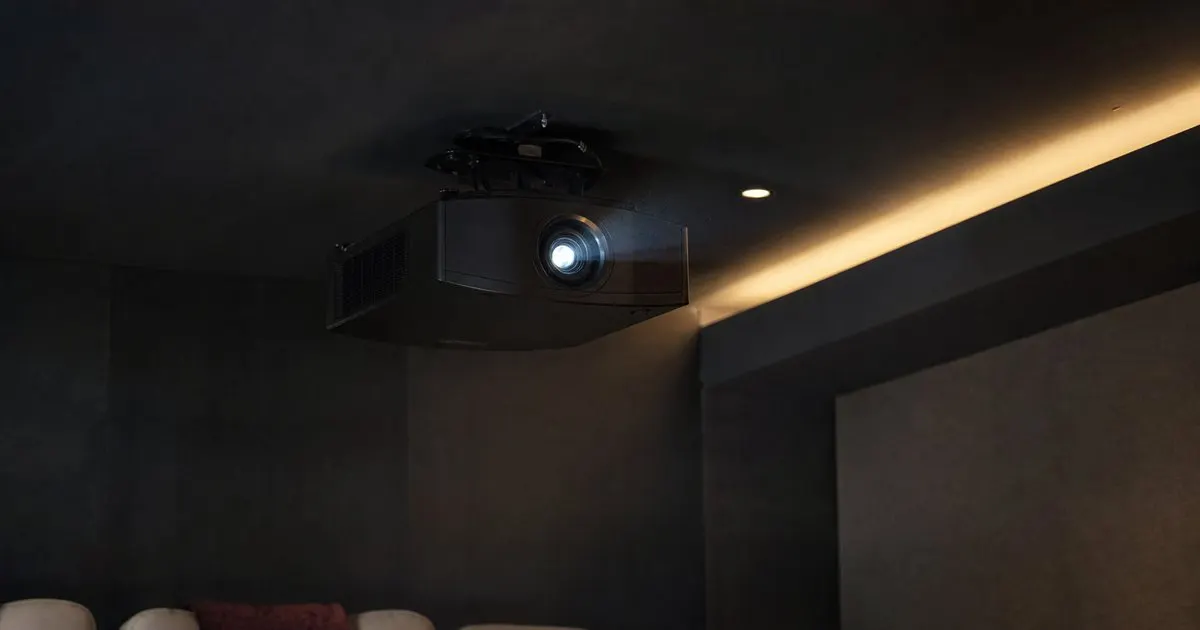
A cinema needs darkness on demand. Look for the ability to seal windows, matte dark surfaces, and low, indirect lighting so contrast survives even a bright afternoon outside.
An unhurried, independent guide to designing a home theater that rewards you every evening. We weigh light, sound, and seating so the picture on the wall matches the room around it.
An independent guide. We may earn a commission from some links, at no extra cost to you.
Football season and getting the screen size right. Kickoff weekends fill the room with people who all want a good view. The right screen width comes from the seating distance, not from the widest wall or the biggest budget.
Why screen size follows viewing distanceThe balanced build, where image, acoustics, and seating all reach a high standard. High contrast projector, matched screen, Full acoustic treatment, Tiered, comfortable seating.
It is easy to spend on a bright projector and a wide screen and still end up with a disappointing room. Ambient light, bare walls, and untreated corners undo expensive hardware before the film even starts.
The best home cinemas are quiet, dark, and acoustically calm, so the equipment simply disappears. Getting the room right first is what lets a modest projector feel cinematic and a fine one feel extraordinary.
The details that separate a considered purchase from an expensive mistake at this level.
A cinema needs darkness on demand. Look for the ability to seal windows, matte dark surfaces, and low, indirect lighting so contrast survives even a bright afternoon outside.
Brightness, contrast, and throw distance must suit the room, not a showroom. The screen gain and size should be chosen against your exact seating distance for a clean, even image.
Absorption and diffusion tame reflections that muddy dialogue and blur effects. Treated first reflection points and bass control matter more than adding another speaker.
Every seat should see the whole screen without strain and sit at a distance that fills the field of view. Tiered rows keep back seats honest in a longer room.
A coherent, well placed system beats a bigger, poorly positioned one. Speaker choice, placement, and calibration decide whether the room sounds like a cinema or a living room.
Decoupled walls and a solid door keep the film inside and the house outside. Structural isolation is what makes late viewing possible without disturbing anyone.
A calm, three step way to arrive at the right choice with confidence.
Start with the room you have, its dimensions, windows, and shared walls. These set the ceiling on what any equipment can achieve.
Budget for acoustics and light control as core costs, not extras. A treated room flatters every component you place inside it.
Choose and tune the picture and sound for where people actually sit. Calibration turns good hardware into a finished experience.
A clear sense of what to expect at every level, from entry to bespoke. Independent guidance, never a sales pitch.
Figures are typical US market ranges to guide your planning, not quotes.

Written by an independent editorial team that builds and lives with home cinemas rather than selling them. We accept no manufacturer direction, name no brands, and judge a room by how often you choose it over going out.
You need control over light, not perpetual darkness. Sealing windows and using dark, matte surfaces preserves contrast so the picture looks its best whenever you watch.
For true cinema scale and a treated dark room, a projector still leads on immersion. A bright multipurpose space may suit a large panel better. It depends on the room.
A great deal. Treatment often does more for the experience than upgrading a component, because it fixes the room that every component has to play into.
No. We are an independent guide. We set out criteria and budgets and do not sell equipment or replace a professional cinema designer or installer.
You can, though every compromise toward multipurpose use tends to cost some cinema quality. A dedicated room is where the best results live.
No. Nothing here is financial advice. We describe the trade-offs so your spending reflects your home, your habits, and your budget.
Our full buying guide, the price guide, and new research as we publish it. One email, no spam, unsubscribe any time.
An expert guide to designing a true home cinema. Independent guidance, written to help you choose well.
Read the complete guide